Answers to common bicycle questions.
Find practical information about bicycle servicing, repair estimates, replacement parts, routine maintenance, workshop appointments, and safety checks. These answers explain what to prepare before contacting us and when a bicycle may need a more detailed mechanical inspection.
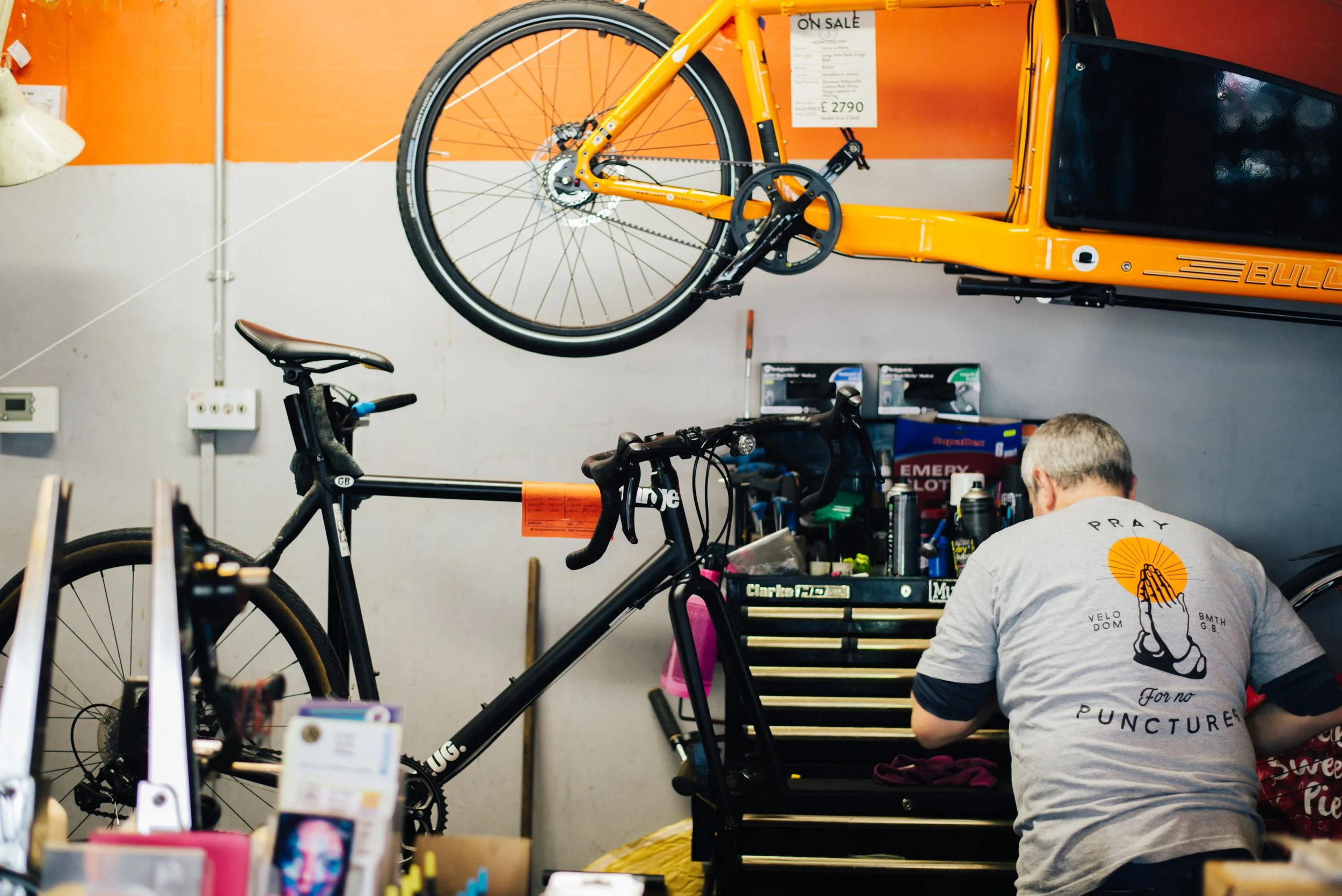
Email your bicycle type, brand and model if known, the service you need, any symptoms you have noticed, and your preferred appointment window. Include details about unusual noises, shifting problems, brake performance, wheel movement, or recent damage. The more clearly you describe the issue, the easier it is to determine what inspection may be required.
Mention any components you already have and provide their brand, model, dimensions, or compatibility information when available. Replacement parts must match the bicycle's drivetrain, braking system, wheel standard, mounting interface, and other relevant specifications. Confirm compatibility before purchasing or installing unfamiliar components.
Yes. Describe additional concerns when requesting an appointment, such as brake adjustment, gear indexing, chain replacement, wheel truing, bearing noise, accessory installation, or a general safety inspection. Some work requires additional time, specialist tools, compatible parts, or a separate estimate after the bicycle has been assessed.
Contact the workshop as early as possible and include your original appointment date, the service requested, and your preferred alternative window. Giving advance notice helps coordinate technician availability and any parts that may have been ordered. If your plans change unexpectedly, let us know as soon as you can.
Do not email payment card numbers, account passwords, identity documents, security credentials, or other sensitive personal information. For an electric bicycle, do not send battery access credentials or system passwords unless a specific, secure process has been agreed upon. Basic bicycle identification and a description of the mechanical issue are usually sufficient to begin an enquiry.
Feedback can help identify recurring questions about repair quality, component compatibility, appointment communication, and maintenance guidance. Any published customer comments or ratings should be presented accurately and should not be invented or altered to imply an experience that did not occur. You can contact the workshop directly to describe a concern about a service or product.
Maintenance frequency depends on riding conditions, mileage, weather, storage, bicycle type, and component recommendations. Before each ride, check tyre condition, brake operation, wheel security, and steering. Keep the drivetrain clean and appropriately lubricated, monitor component wear, and arrange a professional inspection when adjustments are needed or a problem cannot be safely identified.
No. Stop riding if braking is weak or inconsistent, the steering feels loose, a wheel is unstable, a frame or fork may be damaged, or another safety-critical fault is suspected. Do not attempt to compensate for a serious mechanical problem while riding. Arrange an inspection and resume riding only when the bicycle has been confirmed safe to use.
No. Accessories must be compatible with the bicycle's frame, wheel size, mounting points, brake layout, handlebar dimensions, electrical system where applicable, and intended use. Before purchasing racks, lights, mudguards, child seats, or other equipment, check the manufacturer's specifications and any load or installation restrictions.
Describe the bicycle, the problem, any known damaged or worn components, and the work you would like considered. Photographs may help explain visible damage, but they cannot always reveal internal wear or confirm structural integrity. The final scope and cost may depend on physical inspection, component availability, compatibility checks, and the labour required.